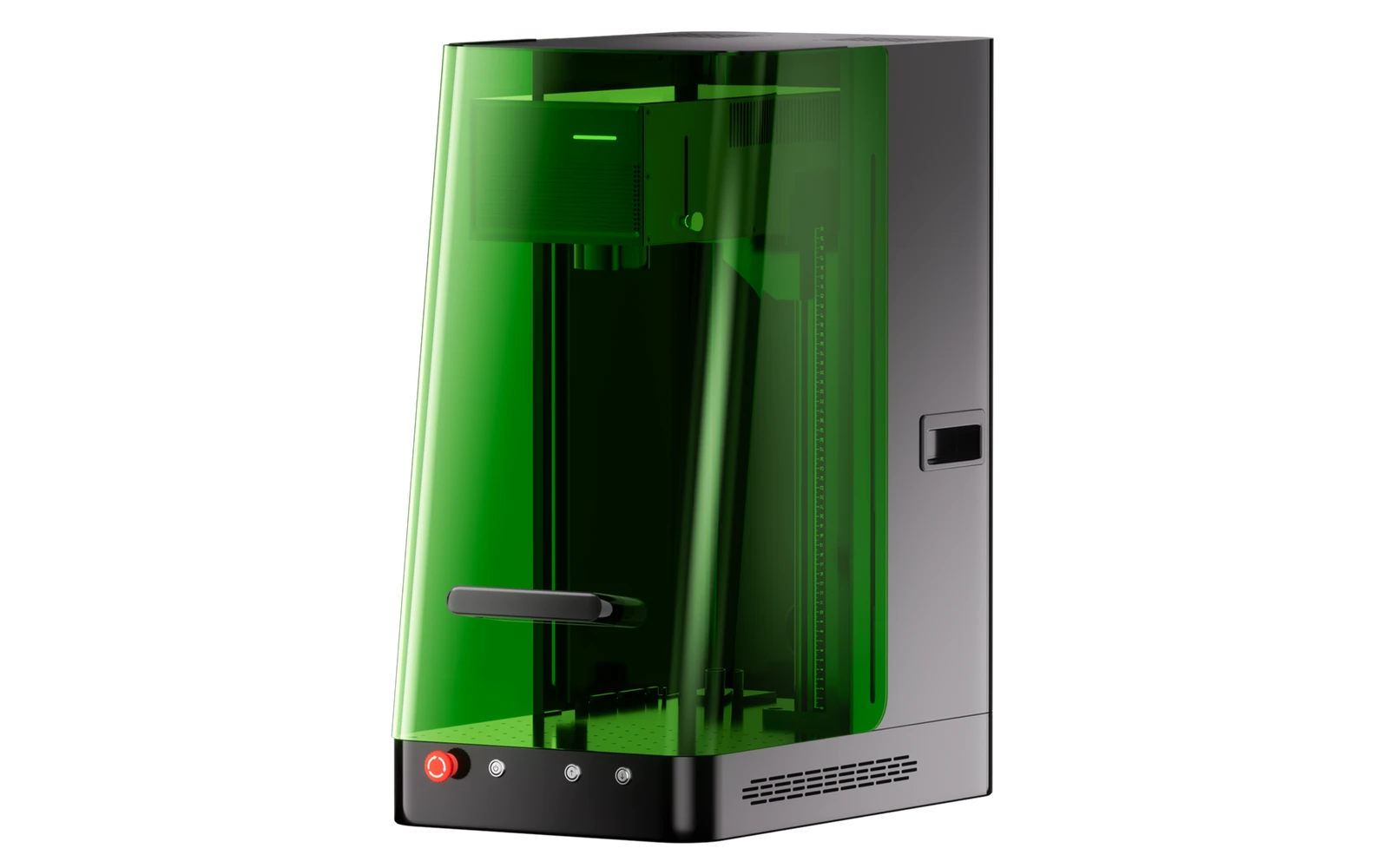
4 manufacturer photos · 1 / 4
ComMarker · Uv
ComMarker Omni X UV · 5W
Desktop UV laser for glass, plastic, and fine detail
All ComMarker models →Add to compare →
Last updated How we evaluate
Released August 2024
Choose a power option
Details below update for the selected power option.
Showing specs for: 5W
TL;DR
ComMarker Omni X uses UV wavelength for cold marking on glass, some plastics, and delicate materials without as much heat damage as fiber or CO₂. Slower than fiber on metal: different tool for different materials.
Best for
What makes this machine stand out
Hardware and workflow features worth understanding before you buy : not just wattage on a label.
UV cold marking
UV lasers mark plastics, some metals, and delicate parts with minimal heat : useful for cables, small electronics, and fine labels. Different safety and material prep than diode or CO₂; not a general-purpose cutter.
LightBurn compatible
LightBurn support means advanced layers, camera tools, and workflows many makers outgrow the stock app with. Confirm your exact controller board before assuming full features : some machines need a paid license separately.
Galvo speed class
Galvo mirrors move the beam instead of a heavy gantry : engraving speeds that feel instant on small fields. Trade-off: tiny work area versus a flatbed diode; ideal for jewelry, tags, and batch marking, not large signs.
Our verdict
Ideal if you
ComMarker Omni X UV 5W targets glass, films, and heat-sensitive plastics: profitable when you already sell those jobs, not for casual UV experiments.
Skip if you
Poor first-laser purchase. No wood or metal cutting. Confirm the module material list before buying the chassis.
Pros
- 5W UV: cold marking on glass and heat-sensitive plastics
- Software listed on the profile: test your workflow (LightBurn or maker app) on scrap first
Cons
- Clear cast acrylic and thick production cutting still favor CO₂, not diode power alone
- Confirm optical wattage on the listing before you buy
What this machine is for
Detailed engraving on organics and coated metal: occasional thin cuts only
Engraving-first desktop diode for makers who prioritize mark quality over cut speed
Laser spot size
~0.02 mm spot
Motion precision: 0.01 mm
Sample engrave job
~6–12 min
10 × 10 cm (4 × 4 in)
Sample cut job
Not a cutter
Reference benchmark: same job size on every machine so you can compare times fairly. Times are estimates for the reference job above; your design complexity and settings will change them.
Materials
- · Glass
- · Acrylic (some colors)
- · Plastics
- · Leather (light)
- · Paper
Accessories & add-ons
Typical inclusions and add-ons for this profile : confirm your SKU.
- Optional
Enclosure / cabinet
Third-party enclosure improves smoke control and safety
- Recommended
Laser safety glasses
~450 nm diode: OD rated for your wavelength
- Recommended
Fire extinguisher
Editorial guidance : not a live parts list. See also: Ventilation setup · Safety basics
Practical notes
Beginner notes
This profile is the 5W SKU on ComMarker Omni X UV. Read the TL;DR and benchmarks above, then compare other power options via the chips before buying.
Pro tips
UV on glass: low power test tiles and fixturing matter more than speed. Keep dedicated presets away from fiber jobs. Confirm material compatibility with ComMarker before quoting UV gift lines.
Pro / technical specsRaw numbers for experienced users comparing machines.
- Max speed (spec)
- 3,000 mm/s
- Avg engrave speed
- 100–400 mm/s
- Avg cut speed
- N/A
Alternatives to the ComMarker Omni X UV
Machines in the same space, picked from our database by type, price, and score.
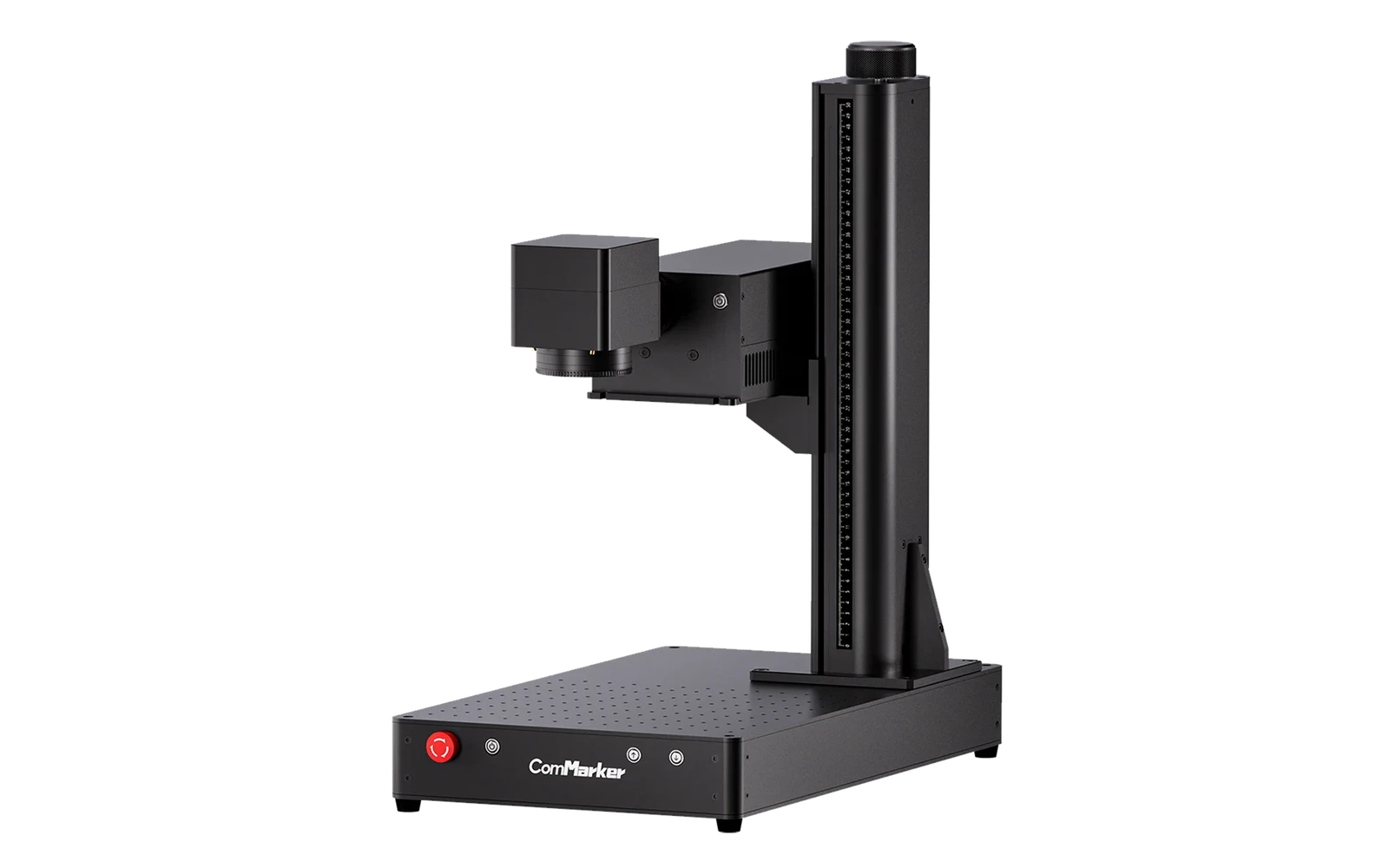
ComMarker · UV · $1,499 – $2,199
ComMarker Omni 1 is the more compact UV line for makers entering glass and plastic marking. Same caveats as all UV: material testing, eye protection, and realistic speed expectations.